Before You Travel: A Dental Check-up That Prevents Emergencies
The best time for a dental check-up before travelling is about four to six weeks before your trip, leaving time to treat any problem and recover before you leave. Many sudden toothaches come from an old problem that was not painful yet, such as decay under a filling, an inflamed wisdom tooth or a cracked tooth. An early check-up reduces the chance of searching for a dentist in an unfamiliar city.
4 min read · Last updated
Photo: Unsplash
Why is a check-up before travel important?
At the start of the summer holidays many families from the Eastern Province travel for weeks, sometimes to a country where they do not know the health system or the language, or to remote areas far from clinics. An infection in a tooth can go from mild discomfort to pain and swelling within days.
Treatment abroad can also be expensive, is not always covered by insurance, and may be temporary and need redoing after you return. A short check-up before you go is an investment that gives you peace of mind throughout the trip.
What does the dentist check before your trip?
At a pre-travel visit, the dentist focuses on problems that could get worse within a few weeks:
Old or cracked fillings, and decay that may be close to the nerve.
Wisdom teeth, especially if the gum around them has been inflamed before.
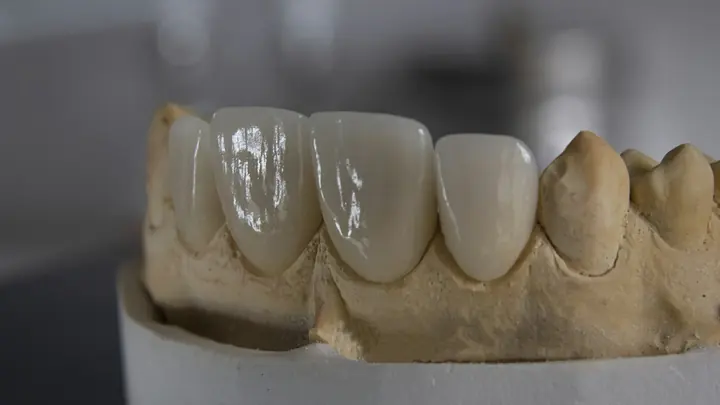
Loose crowns, bridges or veneers that might come off while eating.
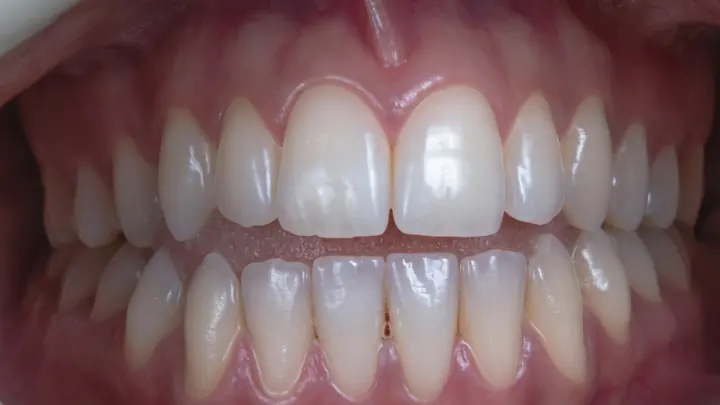
Gum inflammation and bleeding, and scaling if you need it.
Cracked teeth, or teeth sensitive to biting or cold.
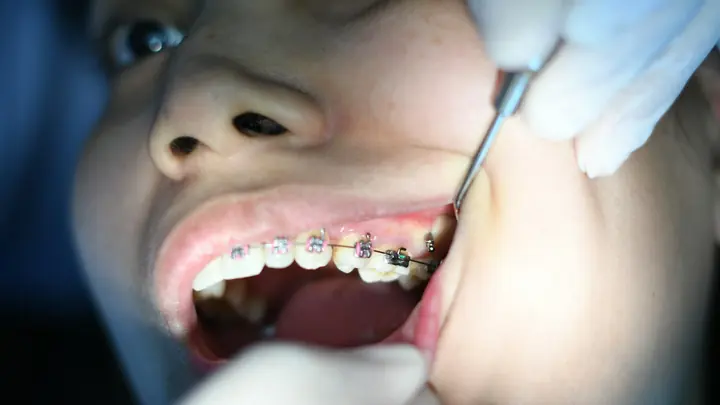
Braces or clear aligners: checking wires and making sure you have enough aligners.
Can I travel straight after an extraction or surgery?
It is better not to have major procedures such as wisdom tooth removal, implants or root canal treatment in the last few days before travelling, because you may need follow-up or develop a minor complication such as a dry socket. So it is best to arrange them early; your dentist will advise how long to wait before flying depending on the procedure.
Some people feel tooth pain when flying or diving because of pressure changes. This usually happens in a tooth with an existing problem such as decay, a leaking filling or infection, or because of congested sinuses. If it keeps happening to you, tell your dentist before you travel so the cause can be found.
What should go in your dental travel kit?
A small kit covers most minor situations:
A toothbrush with a cover and a travel-size fluoride toothpaste.
Floss or interdental brushes, and orthodontic wax if you wear fixed braces.
Your aligner case and your previous aligner as a spare.
A pain reliever you normally use that suits your health, and any medicine your dentist prescribed.
Your clinic's number and, if possible, a copy of your latest X-rays.
If a problem happens while you are away
If a filling or crown falls out, keep the crown in a clean container and avoid chewing on that side until you see a dentist. If a tooth breaks, keep the broken piece in milk or saline and seek care as soon as possible. A whole permanent tooth knocked out in an accident is an emergency, and time matters a great deal.
If you develop facial swelling, difficulty swallowing or breathing, or a fever, go to an emergency department straight away rather than waiting until you return. Do not put aspirin on the gum, and do not take leftover antibiotics from a previous illness without medical advice. Contact your dentist when you return to review any temporary treatment you received.
Frequently asked questions
How long before travelling should I have a check-up?
Four to six weeks before travel is recommended, leaving time for treatment and recovery if you need a filling, extraction or root canal treatment.
Is flying bad for my teeth?
Flying does not harm healthy teeth. But pressure changes can cause pain in a tooth with decay, infection or a leaking filling, or because of congested sinuses.
What should I do if my crown comes off while travelling?
Keep it clean, avoid chewing on that side and see a dentist as soon as you can to re-cement it or provide a temporary solution. Do not use household glue that is not made for teeth.
Do children need a check-up before travelling too?
Yes. Children are prone to fast-progressing decay, and mild pain can turn into an abscess within days. A short check-up with fluoride varnish before the holiday lowers this risk, especially with the extra sweets and juices that often come with travel.
When to see a doctor
Before any long trip, see a dentist if you have mild on-and-off pain, sensitivity to cold or sweets, bleeding gums, a loose crown, a wisdom tooth that has been inflamed before, or if it has been more than six months since your last check-up. You can book a check-up at Medical Care Clinics in Al-Shati Al-Gharbi, Dammam, close to Al-Khobar and Dhahran, where our dental team will examine your teeth and treat what is needed so you can travel with peace of mind.
A crown is a cap that covers the whole tooth to protect it and restore its shape. Learn how zirconia, E.max and porcelain-fused-to-metal differ, and where each fits in the mouth.
If your teeth look longer than before or have become sensitive to cold, your gums may be receding. Learn the causes, the treatments and how to stop recession progressing.
Teeth can move at any age as long as the gums and bone are healthy. Learn what differs in adult orthodontics, the checks needed before starting, and how treatment fits into daily life.