Composite Bonding: A Quick Fix for Gaps and Chipped Teeth
Composite bonding means adding tooth-coloured filling material to the surface of a tooth and shaping it by hand to repair a small chip, close a gap or improve a tooth's shape. It is usually done in a single visit, with very little or no removal of tooth structure. But it is not the best option for every case: it stains and chips more easily than porcelain veneers, and it needs care and maintenance.
4 min read · Last updated
Photo: Unsplash
Which problems is bonding suitable for?
Bonding is mostly used for small to moderate cosmetic changes to the front teeth, such as:
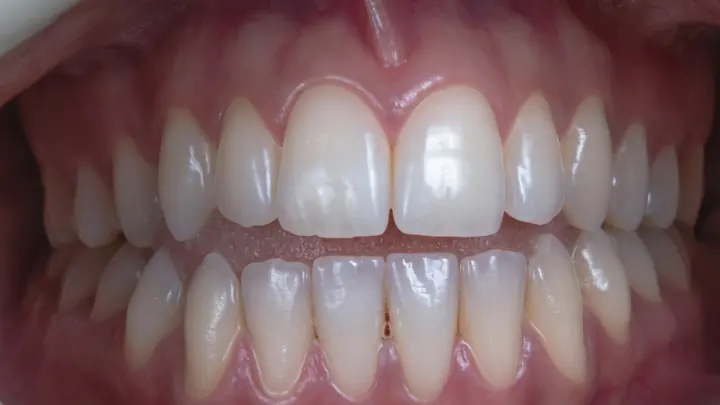
Closing a small gap between the front teeth.
Repairing a chip on the edge of a tooth after a knock or biting something hard.
Reshaping a tooth that is smaller or differently shaped than its neighbour.
Covering a limited stain that does not respond to whitening.
Lengthening teeth whose edges have worn slightly.
Covering an exposed part of a root that causes sensitivity, in cases your dentist selects.
How is bonding done?
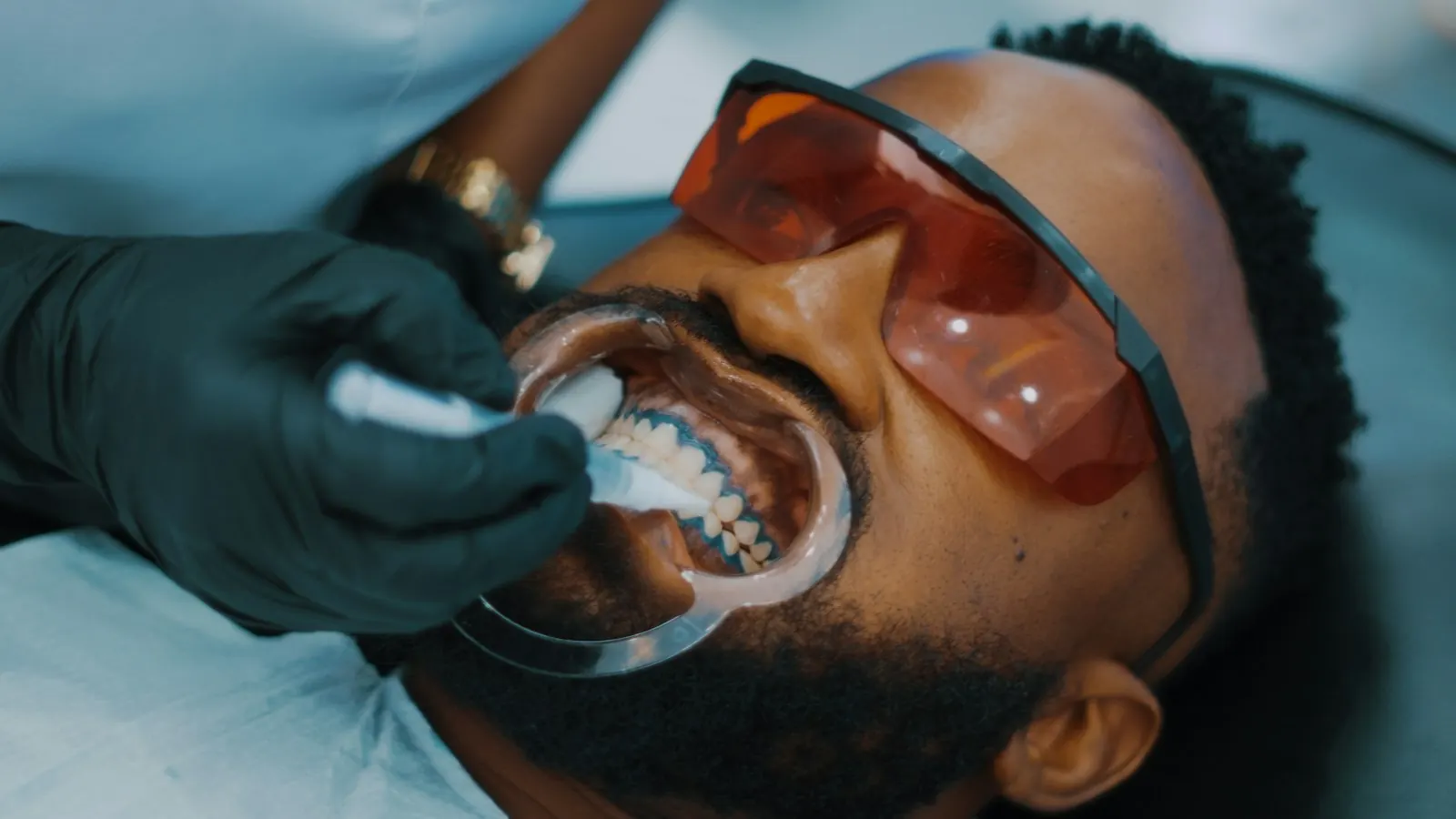
Your dentist first chooses a shade of filling that matches your teeth, then roughens the tooth surface slightly with a special gel so the material bonds well. The material is then added layer by layer, shaped by hand and hardened with a special light, and finally polished until its shine is close to that of a natural tooth.
In most cases no anaesthetic is needed, because the work is on the enamel surface. A session may take from about half an hour to an hour per tooth, depending on the case. If you are thinking about whitening, it is best to do it before bonding, because the filling material does not respond to whitening and keeps its shade.
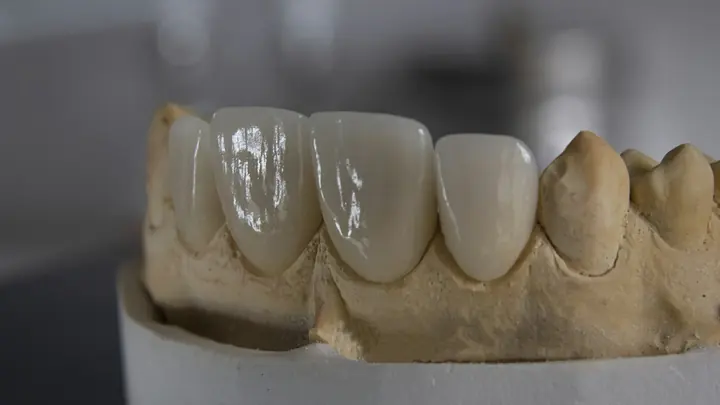
How does bonding compare with veneers?
Both improve the look of your teeth, but there are important differences to weigh with your dentist:
Preparation: bonding needs very little or no removal of tooth, while veneers usually need more reshaping of the tooth.
Visits: bonding is often a single visit, while veneers need two or more visits plus laboratory work.
Stain resistance: porcelain veneers keep their colour and shine longer, while bonding gradually picks up stains from coffee, tea and smoking.
Lifespan: bonding usually lasts about 5 to 10 years, while porcelain veneers can last 10 years or more, depending on care and habits.
Repair: a chipped bond can often be repaired by adding new material in the same visit, while a chipped veneer may need replacing.
How long does bonding last, and what shortens its life?
How long bonding lasts depends on its position, its size and your daily habits. A small bond closing a gap may last many years, while one covering the biting edge of a front tooth takes more force.
Things that shorten its life include nail biting, opening packets and bottles with your teeth, chewing ice or pens, and grinding at night without a guard. Drinking a lot of Arabic coffee and tea, and smoking, also affect its colour over time. The good news is that polishing at follow-up visits restores much of its shine.
How should you care for bonded teeth?
Care is much the same as for your natural teeth, with a little extra attention:
Brush twice a day with a non-abrasive toothpaste and clean between your teeth daily.
Limit strongly coloured food and drink for the first two days, and rinse with water after coffee and tea.
Do not use your teeth as tools or bite hard objects with your front teeth.
If you grind your teeth at night, ask your dentist about a night guard to protect the bonding.
See your dentist for polishing and regular check-ups, and report any sharp edge or small chip promptly.
Frequently asked questions
Does bonding damage teeth?
It usually needs very little or no removal of enamel, so it is considered a conservative option, and in many cases it can be adjusted or removed later.
Does bonding change colour?
Yes, it can gradually stain with coloured drinks and smoking and lose some of its shine. Regular polishing improves its appearance, and it may need renewing after some years.
Can children and teenagers have bonding?
Yes, for example after a front tooth is chipped in an injury. It is a good option because it is conservative and can be adjusted as the child grows. Your dentist will decide what suits the age and case.
Can bonding replace braces for closing gaps?
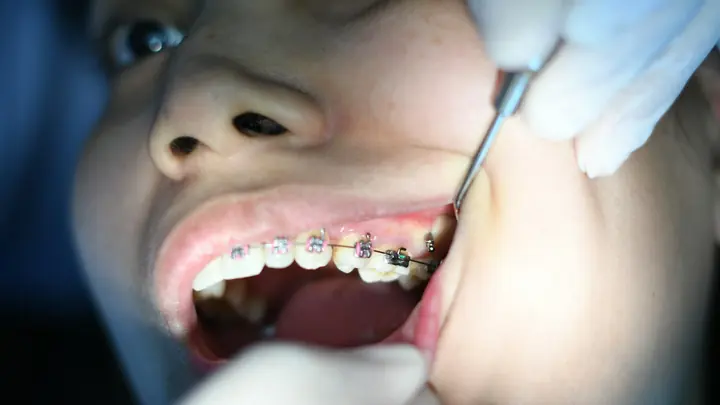
For small gaps it may be enough. If the gaps are large, the teeth are out of line or the bite is affected, braces may be more suitable, or the two may be combined.
When to see a doctor
See a dentist if part of a front tooth breaks or leaves a sharp edge, if a gap or a differently shaped tooth bothers you, if an old filling has stained or its edge has lifted, or if you have sensitivity after a chip. An assessment will show whether bonding suits your case or whether another option would serve you better. You can book a consultation at Medical Care Clinics in Al-Shati Al-Gharbi, Dammam, close to Al-Khobar and Dhahran, where our dental team will explain the options that suit your smile.
A crown is a cap that covers the whole tooth to protect it and restore its shape. Learn how zirconia, E.max and porcelain-fused-to-metal differ, and where each fits in the mouth.
If your teeth look longer than before or have become sensitive to cold, your gums may be receding. Learn the causes, the treatments and how to stop recession progressing.
Teeth can move at any age as long as the gums and bone are healthy. Learn what differs in adult orthodontics, the checks needed before starting, and how treatment fits into daily life.